Recovery Saints
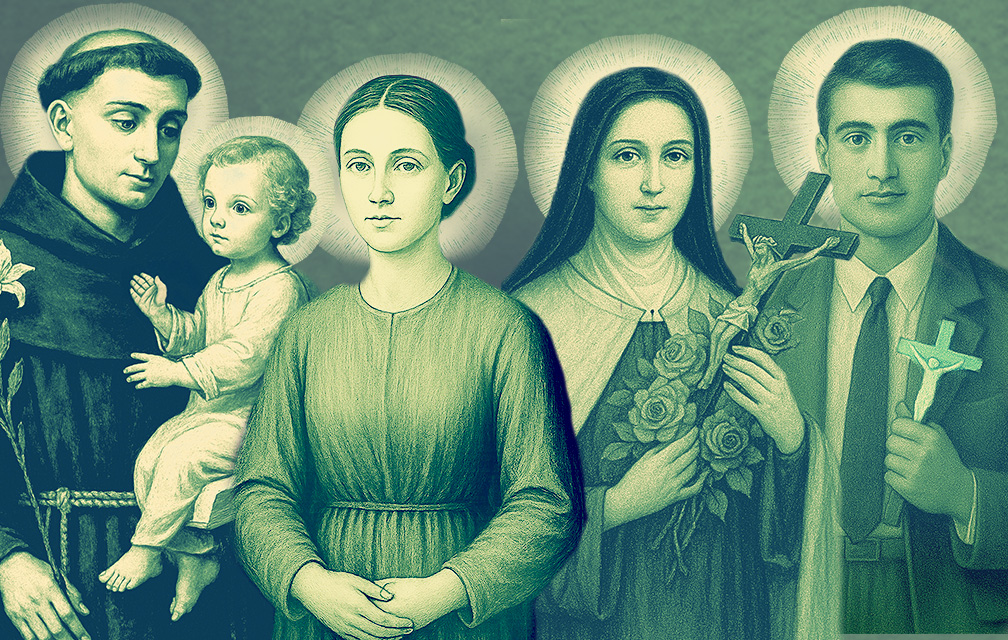
Saints are role models and active intercessors for our spiritual lives and walk with Christ. Certain saints have traditionally been assigned as patrons in areas related to addictions, compulsions, and unhealthy attachments.
What is a “patron”?
A patron is a saint who is considered a special intercessor (prayer partner) for a particular person, group, place, profession, cause, etc. People pray to patron saints (i.e. asking for their intercession) for guidance, protection, healing, and intercession in matters related to their designated area of patronage. Usually by popular acclaim, sometimes by papal recommendation, these designated areas derive in some way from the saint’s life. This could be from their own area of struggle or grace, some story from their biography, their own profession, from miracles effected through their prayer (while alive in the flesh or after death), even occasionally from loose associations (like a double meaning of their name).
SAINT OF THE DAY REFLECTIONS
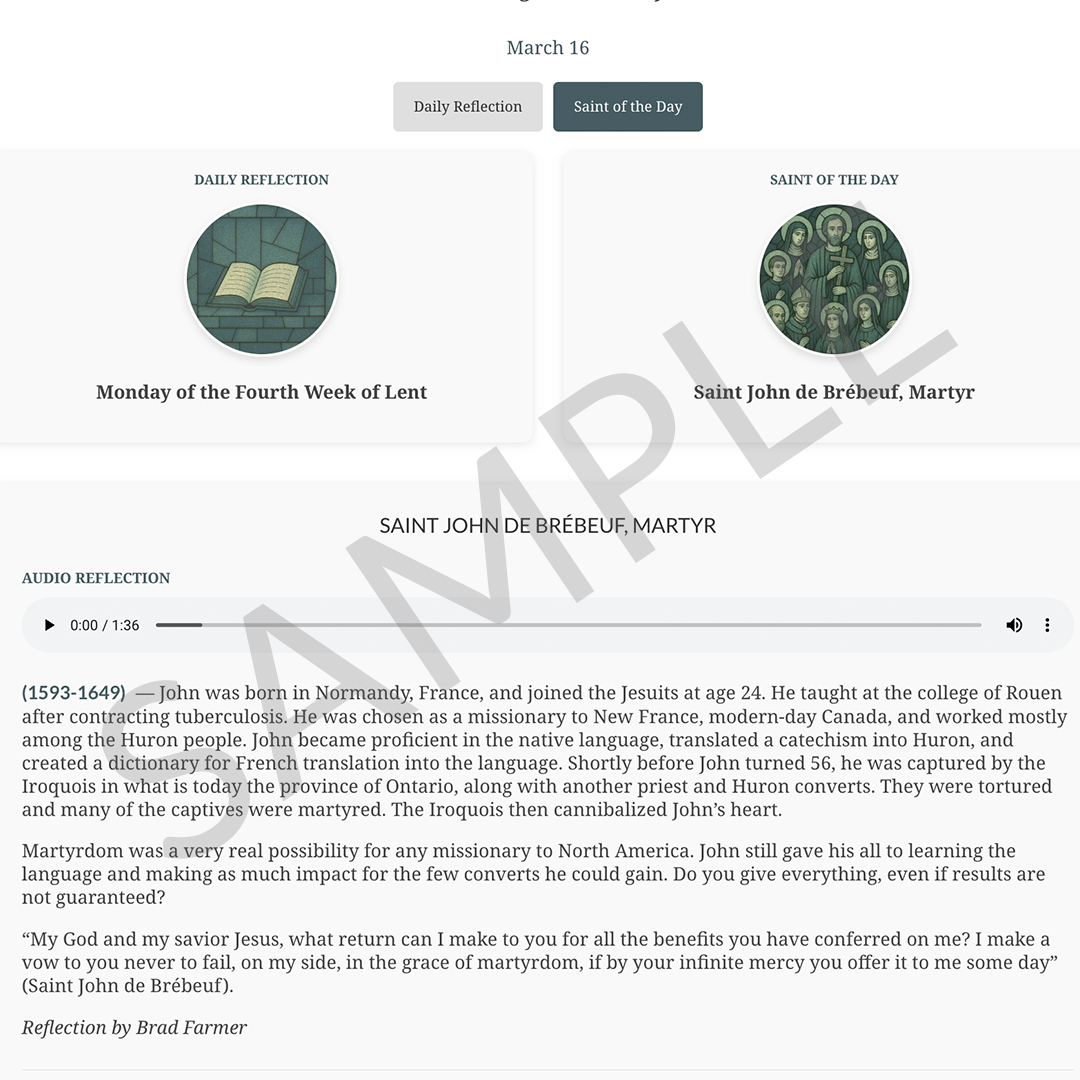
Grow closer to Christ on your recovery and spiritual journey by reflecting on the Saint of the Day reflections. These reflections are meant to accompany you to deepen your recovery and relationship with Jesus Christ, one day at a time.
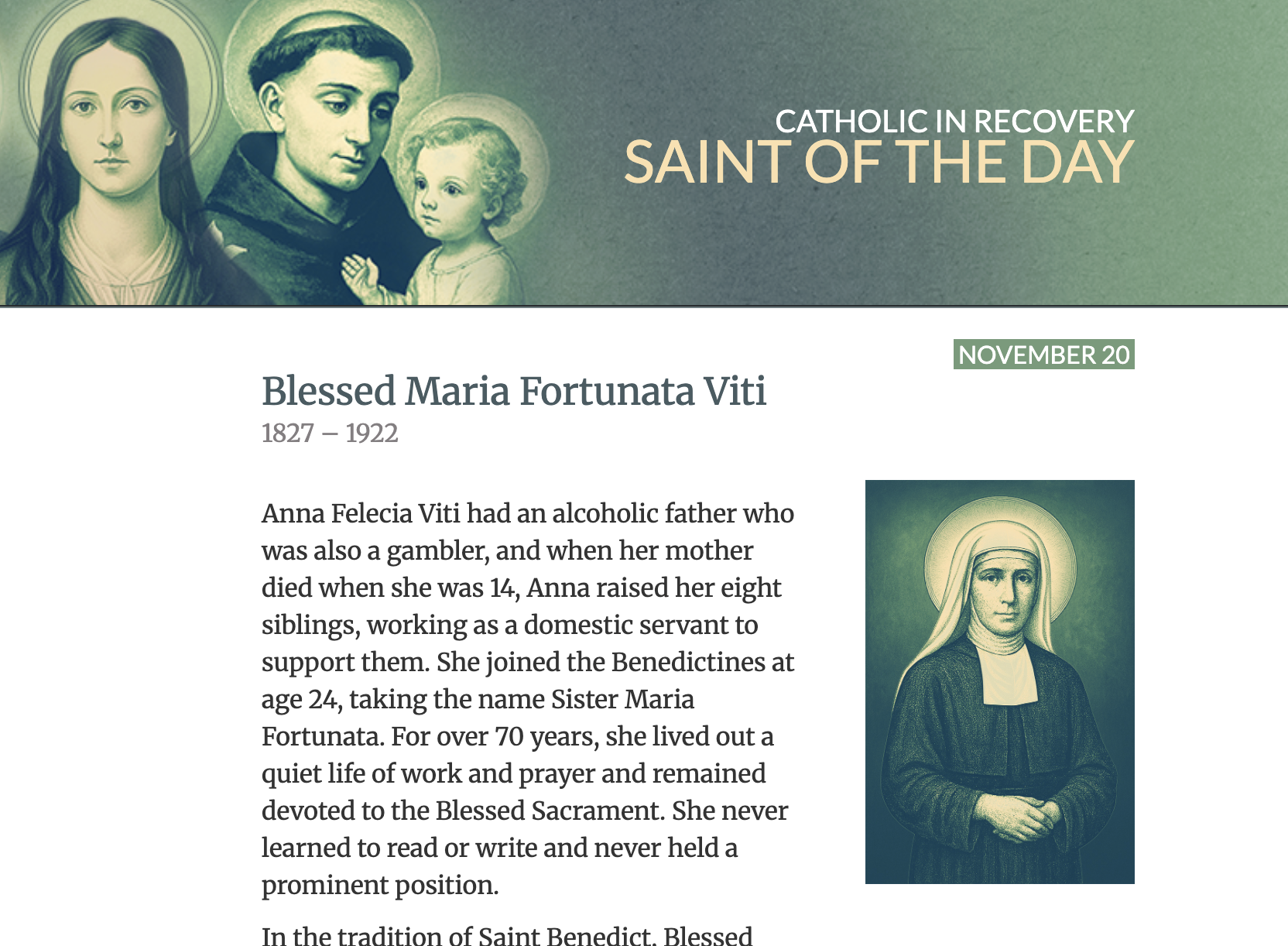
Learn about the saint or saints honored each day of the year according to the Church’s General Roman Calendar
Reflect on how the saints’ lives and teachings can encourage your recovery
Meditate with a prayer or insight inspired by the Church’s holy saints
MEMBERSHIP BENEFITS
By signing up for CIR+, you can access the Saint of the Day reflections as well as have them emailed to your inbox every single day of the year.
Plus, you can try CIR+ with a 12-DAY FREE TRIAL and cancel at any time!
SEE WHAT’S INSIDE

Imagine yourselves to be spiritual beggars in the presence of God and his saints. You should go round from saint to saint, imploring an alms with the same real earnestness with which the poor beg.
Saint Philip Neri
Below are lists of patron saints (accompanied by their liturgical feast day) for addictions, compulsions, and unhealthy attachments related to alcohol, drugs, lust, food obsessions, gambling, compulsive shopping, technology, family issues, and more.
INDIVIDUAL PATRONS
These refer to your individual patron saints selected (by you or others) to provide personal guidance and encouragement on your spiritual journey. Don’t overlook your personal crew!
ADDICTIONS IN GENERAL
These saints have patronage of general spiritual healing and are invoked as intercessors in a variety of areas in the challenge to grow in virtue and decrease in vice. They are of special interest to the addict of any sort.
Saint Michael (September 29th)
ALCOHOL
These patron saints could be applied to any substance misuse, but they are traditionally associated with the alcoholic.
Venerable Matt Talbot (June 19th)
DRUGS
Some would place this and “Alcohol” together, considering all mind- or mood-altering substances as equal and not giving one special treatment over another.
LUST
This heading includes all obsessions, compulsions, and offenses regarding the Sixth Commandment.
Saint Agnes of Rome (January 21st)
Saint Thomas Aquinas (January 28th)
Saint Maria Goretti (July 6th)
Saint Margaret of Cortona (February 22nd)
Saint Mary of Egypt (April 1st)
Saint Lucy of Syracuse (December 13th)
FOOD OBSESSIONS
Patron saints listed here are associated with any food-related obsessions, compulsions, or unhealthy attachments.
Saint Maximilian Kolbe (August 14th)
GAMBLING
Patron saints of gamblers or invoked against unhealthy attachments to games of chance.
Saint Camillus de Lellis (July 14th)
Saint Bernardine of Siena (May 20th)
COMPULSIVE SHOPPING
“Official” patrons surrounding obsessions, compulsions, and attachments to the obtaining or compiling of material goods, or the chasing the dopamine dump of making a fun purchase, are hard to find. The patron saints listed here display a detachment from material wealth and things.
Saint Homobonus (November 13th)
Saint Matthew (September 21st)
Saint Francis of Assisi (October 4th)
Saint Anthony of Egypt (January 17th)
FAMILY ISSUES
Many members of 12-step fellowships know all too well that addiction is a family issue. What affects one member of the system impacts all. These patron saints provide hope (and of course, their prayers) in difficult family situations.
Holy Family (Sunday after Christmas)
Martins – Saint Therese (October 1st), Saint Louis, Saint Zelie (July 12th)
Saint Augustine and Saint Monica (August 27th and August 28th)
Saint Eugene de Mazenod (May 21st)
TECHNOLOGY ADDICTION
These patron saints represent the right use of media. Technology addiction is a modern phenomenon, but the use and misuse of knowledge and media is not. From news obsession to entertainment scrolling to compulsive gaming and binge watching, the virtue of temperance is needed.
Saint Isidore of Seville (April 4th)
Blessed Carlo Acutis (October 12th)
The above content was compiled by Brad Farmer at brad-farmer.com
Baptismal Saint(s)
It is common practice for Christians to name their children with a saint’s name, either for their first, middle, or both names. You are baptized by this name and that is a special patron throughout your life.
Confirmation Saint
In the U.S. and throughout the world, it is common practice to select a Confirmation saint. You are Confirmed by this name and that is a special patron throughout your life.
Personal Heroes, Mentors, and Intercessors
“Choose as your patrons some Saints in particular, to whose life and imitation you feel most drawn, and in whose intercession you feel an especial confidence. The Saint whose name you bear is already assigned you from your baptism…Also study the lives of the Saints, in which you will behold a portrait of the true Christian’s life as in a mirror, and you can adapt their examples to your own life.” – Saint Francis de Sales, Intro to the Devout Life
Guardian Angels
“From its beginning until death, human life is surrounded by their watchful care and intercession. (Cf. Mt 18:10; Lk 16:22; Ps 34:7; 91:10-13; Job 33:23-24; Zech 1:12; Tob 12:12.). ‘Beside each believer stands an angel as protector and shepherd leading him to life.’ (St. Basil, Adv. Eunomium III, I: PG 29,656B.) Already here on earth the Christian life shares by faith in the blessed company of angels and men united in God.”
Catechism of the Catholic Church
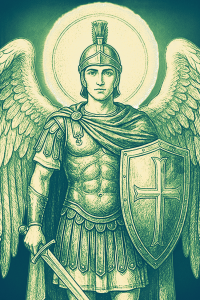
Saint Michael
His name means “Who is like God?” and he defends against anything we set as “idols” (things that take the main place in our lives that God alone should occupy). He is there to “defend us in battle [and] be our protection against the wickedness and snares of the devil.”
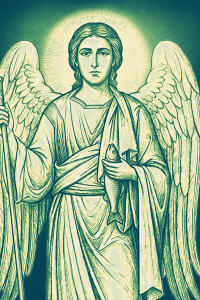
Saint Raphael
His name means “God heals”. He is the patron of healing and casting out evil (also of marriages and travelers). Read the book of Tobit for more on Raphael.
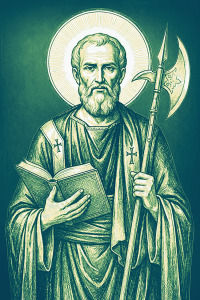
Saint Matthias
A witness to the Resurrection of Jesus, he was the apostle that replaced Judas Iscariot after his betrayal and death. Saint Clement of Alexandria records a sentence credited to Saint Matthias:
(Stromata, III, 4).
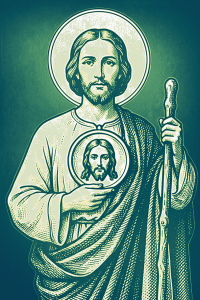
Saint Jude
Cousin of Jesus, brother of Saint James the Less, nephew of Mary and Joseph, and son of Cleophas (Alphaeus) and Mary (of Clopas, who stood at the foot of the cross and anointed the body of Jesus). He wrote the epistle of Jude (a 25-verse condemnation of the ungodly following their passions). He is the patron of lost or impossible causes because of confusion with Judas Iscariot.
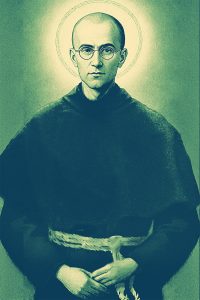
Saint Maximilian Kolbe
Patron of addicts for his writing, life, and witness; the proper use of media to promote the good, true, and beautiful; defense of the family; and gift of self in service of another. He gave up his life for a father at Auschwitz, suffered from starvation, and was eventually executed by lethal injection.
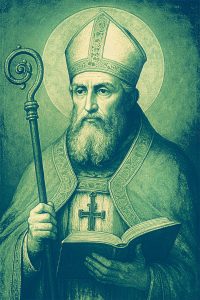
Saint Augustine
Father and Doctor of the Church, bishop and master theologian. Known to be a partier in his earlier years by his own account in his autobiographical/theological work, Confessions.
(Confessions).
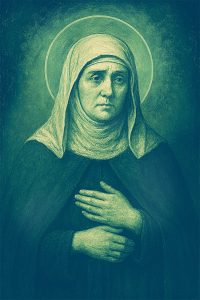
Saint Monica
Saint Augustine’s mom who was married to an abusive pagan, and spiritual student of Saint Ambrose. Augustine attributes his conversion in part to her prayers. Saint Augustine describes her struggle with alcohol and subsequent renunciation of it in his Confessions, Book 9, Chapter 8, 18:
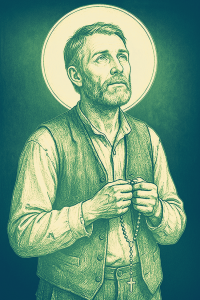
Venerable Matt Talbot
Lumber yard worker in Dublin, Ireland. Alcoholic at 13, had his conversion at 28. He adopted a life of prayer, fasting, and service, modeling his life after sixth-century Irish monks and becoming a third order Franciscan. Matt was inspired by saints like Saint Augustine, Saint Louis de Montfort, Saint Francis de Sales, and others.
Saint Urban of Langres
Urban hid in a vineyard during persecutions of Christians in the early Church. He converted the vine dressers, who then helped him in secret ministry. Saint Urban had a devotion to the Holy Blood and a great affection for all in the wine industry.
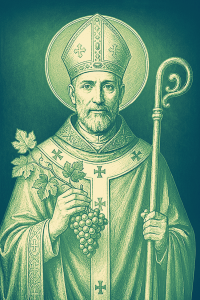
Saint John of God
Kidnapped at 8 years old and then abandoned, later fighting as a soldier for 18 years, John fell into a wild lifestyle and became angry at his misfortunes. He never gave up on his faith, though, and had a deep conversion after some near-death experiences and a pilgrimage to the tomb of Saint James in Spain. He devoted his life to the care of the poor, sick, and vulnerable, but was occasionally publicly shamed for his wild past. Saint John is traditionally considered a patron of alcoholics for his wild years and his compassion for the unfortunate.
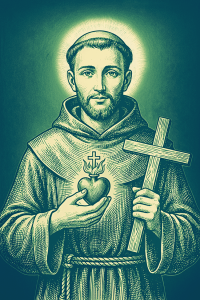
Saint Mark Ji Tsianxiang
Medical doctor in China at the turn of the 20th century, husband, father, and grandfather. He treated himself for stomach pain with opium and became addicted. Saint Mark struggled to stay connected to his faith while trying to kick his addiction for 30 years. He was ultimately martyred for his faith, despite still being in active addiction.
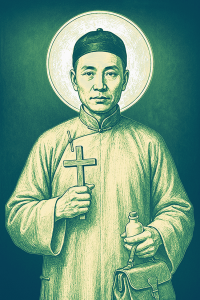
Saint Augustine
Father and Doctor of the Church, bishop and master theologian. He also fathered an illegitimate son with his long-time mistress. He discusses this struggle at length in his Confessions.
(Confessions).
Saint Agnes of Rome
At age 12 or 13, Agnes was ordered to sacrifice to pagan gods and lose her virginity by rape. She refused to sacrifice, was threatened and tortured, still refused, and was eventually martyred (beheaded or stabbed) around 304 in Rome under the persecutions of the Emperor Diocletian.
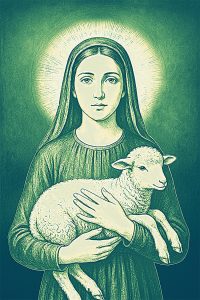
Saint Thomas Aquinas
Doctor of the Church and master theologian. Thomas was born in the family castle (his dad was the count of Aquino), educated by Benedictines, and tried to join the Dominicans at 19. The family didn’t want a “beggar” in the family, so they kidnapped and imprisoned him. To dissuade him from his vocation, they locked a prostitute in the tower with him but he chased her away with a hot ember from the fireplace and signed the door with the cross when she left.
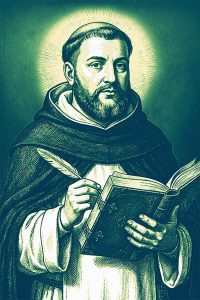
Saint Vitalis
Monk and hermit in the Gaza region. At age 60 he went to Alexandria, Egypt, and worked as a day laborer. With each day’s wages he would hire a prostitute for the evening. Instead of the usual services, he requested that she spend the night without sin. If the hired woman would listen he would teach and pray with her, and asked her to promise to not describe the evening. Controversy, gossip, and opposition followed, but every investigation cleared him of any charge of impropriety. In the year 625, a pimp saw him leaving a brothel and stabbed Vitalis in the head with a knife because he wanted the saint to quit interfering with business.
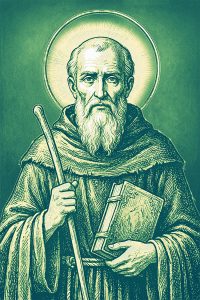
Saint Maria Goretti
Maria was a pious young farm girl who was attacked at 12 years old by a 19-year-old farm hand. Alessandro tried to rape Maria, then choked and stabbed her multiple times. She survived for two days, forgave him, and asked God to forgive him before she died. Alessandro had a vision of her in prison offering him white lilies. This led to his conversion (he eventually became a monk), and he later testified at her cause for beatification.
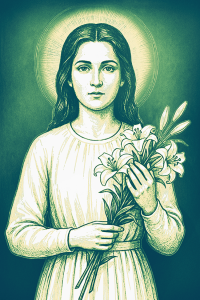
Saint Margaret of Cortona
Margaret was a young and attractive daughter of a farmer. She became an unwed mistress for nine years and returned to her faith after the father of her child was murdered. She spent the rest of her life caring for the sick and poor, founded a hospital, and preached against vice. Saint Margaret was constantly the target of gossip because of her past.
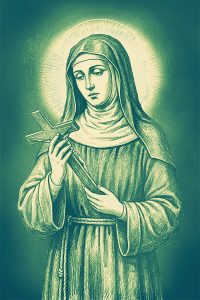
Saint Mary of Egypt
Mary, a beautiful, wealthy child, ran away to Alexandria, Egypt, at 12 years old. For 17 years, she was a dancer and prostitute. When she was around 30 years old, she went to Jerusalem to try and find customers among the Catholic pilgrims coming for the Feast of the Exaltation of the Holy Cross. When repeatedly and invisibly repelled at the door of a church, she repented and spent the rest of her life (about 50 years) doing penance as a hermit in the desert.
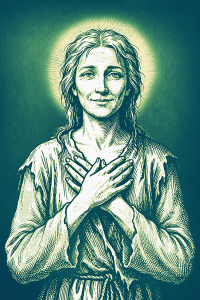
Saint Lucy of Syracuse
A rejected suitor turned Lucy in as a Christian and she was sentenced to forced prostitution. When guards attempted to arrest her, she could not be moved, even by oxen, so Lucy was instead tortured by having her eyes removed. Attempts to burn her alive failed, so she was finally martyred through stabbing.
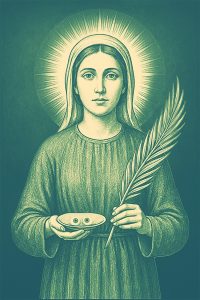
Saint Mary Magdalene
Mary could have been the unnamed woman caught in adultery and brought to Jesus (John 8:1-11), the sister of Martha (Luke 10:38-42, John 11), and the woman who anointed Jesus’ feet (Luke 7:36-50, John 12:1-8). What is certain is that she was freed from demonic possession and ministered to Jesus (Mark 16:9, Luke 8:2-3). Mary Magdalene was present at the crucifixion (John 19:25) and was the first witness of the Resurrection (Mark 16:9, John 20:11-18).
(Pope Benedict XVI, Angelus on June 23, 2006).
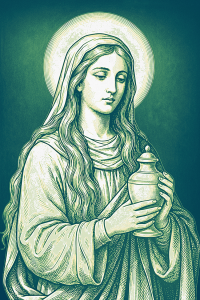
Saint Pelagia the Penitent
Pelagia was a stripper who was converted by a sermon from Saint Nonnus of Edessa. She moved to Jerusalem and lived as a hermit, wearing men’s clothes to be left alone. She is sometimes referred to as “The Beardless Hermit.”
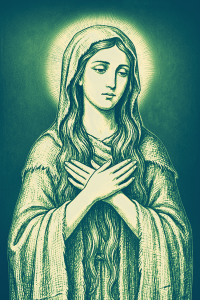
Saint Maximilian Kolbe
Patron of addicts for his writing, life, and witness; the proper use of media to promote the good, true, and beautiful; defense of the family; and gift of self in service of another. He gave up his life for a father at Auschwitz, suffered from starvation, and was eventually executed by lethal injection. This patronage is due to his time in the starvation bunker in Auschwitz.
Saint Catherine of Siena
She is a doctor of the Church and mystic.
(Father Raymond Capua, spiritual director/confessor).
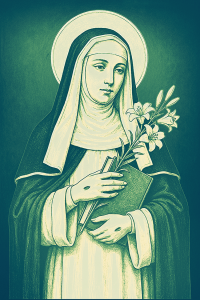
Saint Charles Borromeo
Charles was born to a wealthy family. He became a canon lawyer by 21 and cardinal by 22. He spent his life and fortune upholding the Council of Trent and trying to repair the damage of the Protestant Reformation. Patron of stomach ailments, including obesity. How this patronage became tied to him is not clear from his life, other than that he helped the poor in times of famine and regularly practiced self-denial.
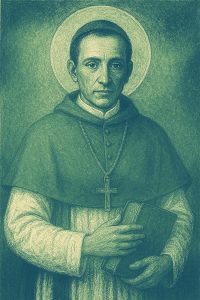
Saint Camillus de Lellis
Camillus was an Italian army officer with a serious gambling addiction. Eventually he went to Rome for treatment of a leg injury, became a student, and had Saint Philip Neri as his confessor. Camillus became a priest and founded the Congregation of the Servants of the Sick (the Camillians or Fathers of a Good Death) who cared for the sick at home and in hospitals. He honored the sick as living images of Christ, and hoped that the service he gave them did penance for his wayward youth. Saint Camillus was reported to have the gifts of miraculous healing and prophecy.
“Commitment is doing what you said you would do, after the feeling you said it in, has passed.”
“Think well. Speak well. Do well. These three things, through the mercy of God, will make a man go to Heaven.”
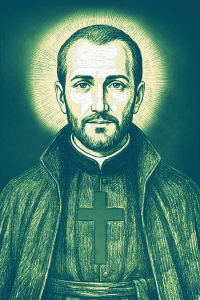
Saint Bernardine of Siena
Bernardine was a Franciscan priest, extremely popular preacher, theological writer, and a renowned peacemaker. He often preached against gambling and games of chance. “Bonfires of the vanities” (burning of objects associated with sins, like dice, cards, other frivolities) were held at his sermon sites.
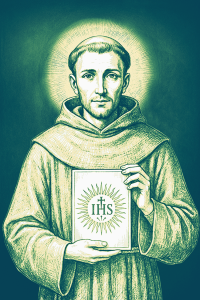
Saint Francis Borgia
Francis was a friend and advisor of Saint Ignatius of Loyola, and a popular Jesuit preacher. He became the General of the Jesuit order, and is considered the “Second Founder.” He was opposed to gaming, and did not allow his followers to indulge in it. “Gaming is accompanied by great losses; loss of money, loss of time, loss of devotion, and loss of conscience.”
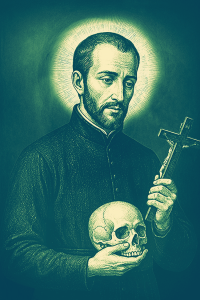
Saint Aloysius Gonzaga
Aloysius grew up in the castle of his Italian noble family, where his father was a compulsive gambler. Although he was trained to be a courier and soldier from a young age, Aloysius preferred to teach catechism to poor boys. He received First Communion from Saint Charles Borromeo and was a student of Saint Robert Bellarmine, two of the great heroes of Catholic reform in response to the Protestant Reformation. Aloysius became a Jesuit novice at 18. He tended to plague victims and died of the illness at 23.
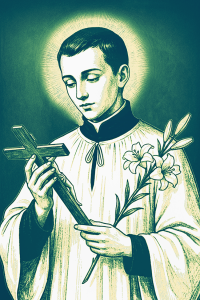
Saint Homobonus
Homobonus (which means “good man”) was a successful tailor who gave most of his profits (and some of his home) to charity. He saw his ability to work as a gift from God to support the poor. He is the patron of merchants.
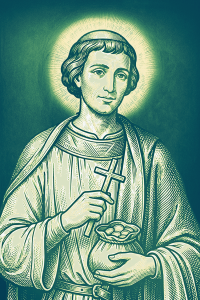
Saint Matthew
Matthew, Apostle, son of Alphaeus, from Capernaum on Lake Genesareth, was a Roman tax collector who gave up everything to follow Jesus. He authored the Gospel according to Matthew to convince Jews that Jesus was the anticipated Messiah, preached among Jews in Judea as well as other countries. According to tradition, Matthew was martyred in Ethiopia at the altar after rebuking the King there for lust.
As Jesus was walking along, he saw a man called Matthew sitting at the tax booth; and he said to him, “Follow me.” And he got up and followed him.
(Matthew 9:9)
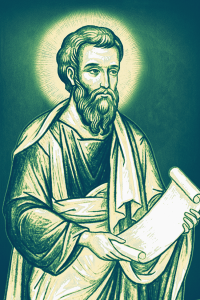
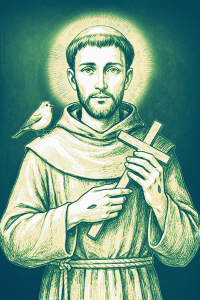
Saint Francis of Assisi
He was a mystic, stigmatist, and founder of the Franciscans. He renounced his wealth and inheritance and embraced a life of poverty and service.
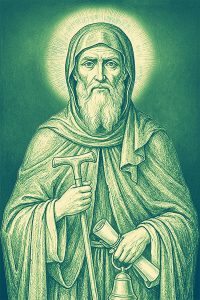
Saint Anthony of Egypt
Anthony gave away his family wealth to leave the world and pursue God in the wilderness as a hermit.
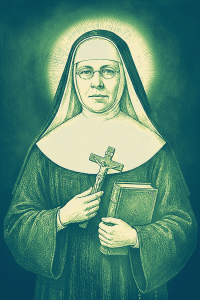
Saint Katharine Drexel
Katharine was the daughter of wealthy railroad entrepreneurs and philanthropists. She devoted her fortune to missionary and educational work for Native Americans and African-Americans. One time she asked Pope Leo XIII to send more missionaries to Wyoming for her friend, Bishop James O’Connor, and the pope replied, “Why don’t you become a missionary?”
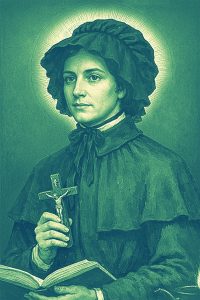
Saint Elizabeth Ann Seton
Elizabeth was born into a wealthy and influential Episcopalian family, but after 10 years of marriage and five kids, her husband died of tuberculosis after a failed business, leaving her widowed and impoverished. She converted to Catholicism, alienating her from her wealthy family, and started the parochial school system in America.
Saint Isidore of Seville
He is a doctor of the Church and proposed patron of the internet by Saint John Paul II. Isidore had three other saint siblings. At first he was a bad student but gave this problem over to God. He became a great teacher, promoted better seminary studies, and was a prolific writer (he wrote an encyclopedia).
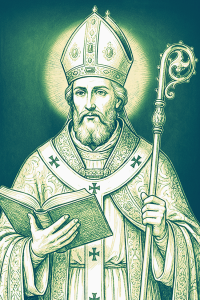
Blessed Carlo Acutis
“Carlo was well aware that the whole apparatus of communications, advertising and social networking can be used to lull us, to make us addicted to consumerism and buying the latest thing on the market, obsessed with our free time, caught up in negativity. Yet he knew how to use the new communications technology to transmit the Gospel, to communicate values and beauty…Carlo didn’t fall into the trap. He saw that many young people, wanting to be different, really end up being like everyone else, running after whatever the powerful set before them with the mechanisms of consumerism and distraction. In this way they do not bring forth the gifts the Lord has given them; they do not offer the world those unique personal talents that God has given to each of them. As a result, Carlo said, ‘everyone is born as an original, but many people end up dying as photocopies’. Don’t let that happen to you!”
(Pope Francis, Christus Vivit, Post-Synodal Apostolic Exhortation on March 25th, 2019, “To Young People and to the Entire People of God”)
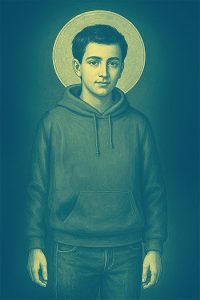
Saint Thomas Aquinas
Doctor of the Church and master theologian. Thomas was born in the family castle (his dad was the count of Aquino), educated by Benedictines, and tried to join the Dominicans at 19. The family didn’t want a “beggar” in the family, so they kidnapped and imprisoned him. To dissuade him from his vocation, they locked a prostitute in the tower with him but he chased her away with a hot ember from the fireplace and signed the door with the cross when she left.
Similar to Saint Isidore of Seville, Saint Thomas’ extensive writing and expansive knowledge would make him an ideal intercessor for internet technologies. He is not formally a patron of such, but is the patron saint of learning, students, and all associated topics. Some of the core issues working in technology addictions are addressed by Saint Thomas Aquinas’ exploration of the virtue of studiositas and the vice of curiositas in his Summa Theologica, II-II, q.167.
Saint Maximilian Kolbe
Patron of addicts for his writing, life, and witness; the proper use of media to promote the good, true, and beautiful; defense of the family; and gift of self in service of another. He gave up his life for a father at Auschwitz, suffered from starvation, and was eventually executed by lethal injection.
His Knights of the Immaculata magazine had a broad circulation (one million copies, at one point). Saint Maximilian is another example of the right use of media and is the patron saint of media communications.
“Don’t you see that Satan and his agents take possession of all inventions and all achievements of progress to convert them to evil? All the more reason to finally wake up and get to work in order to reconquer the positions taken up by the enemy.”
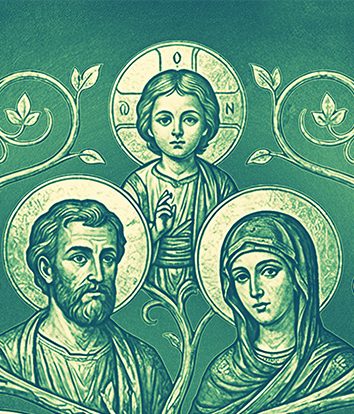
Holy Family
Jesus, Mary, and Joseph give us the best glimpse of the idyllic family in our fallen world.
Martins (Saint Therese, Saint Louis, Saint Zelie)
Saint Louis and Saint Zelie (Marie-Azelie Guerin) Martin raised five children that survived to adulthood, all joining the convent, the most well known being the youngest, Saint Therese of Lisieux. Saint Zelie died from breast cancer when the kids were still young. Saint Louis, Therese’s model of holiness, suffered a mental collapse after two strokes and was committed to a sanitarium shortly after she joined the Carmelites.
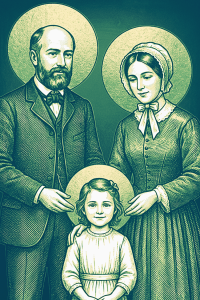
Saints Augustine & Monica
Saint Monica dealt with an abusive, alcoholic husband and a stubborn, pleasure-seeking son. Her perseverance and intercession changed their lives, and in turn gave the Church one of its greatest theologians in Saint Augustine.
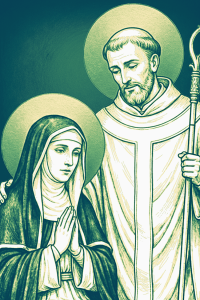
Saint Eugene de Mazenod
He was a bishop and the founder of the Oblates of Mary Immaculate. His childhood was filled with family fighting and eventually his parents divorced, which was very unusual for the early 19th century. Eugene did a lot to rebuild the Church in France after the French Revolution. His order, the Oblates, continues to be a missionary power house.
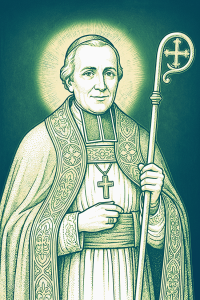
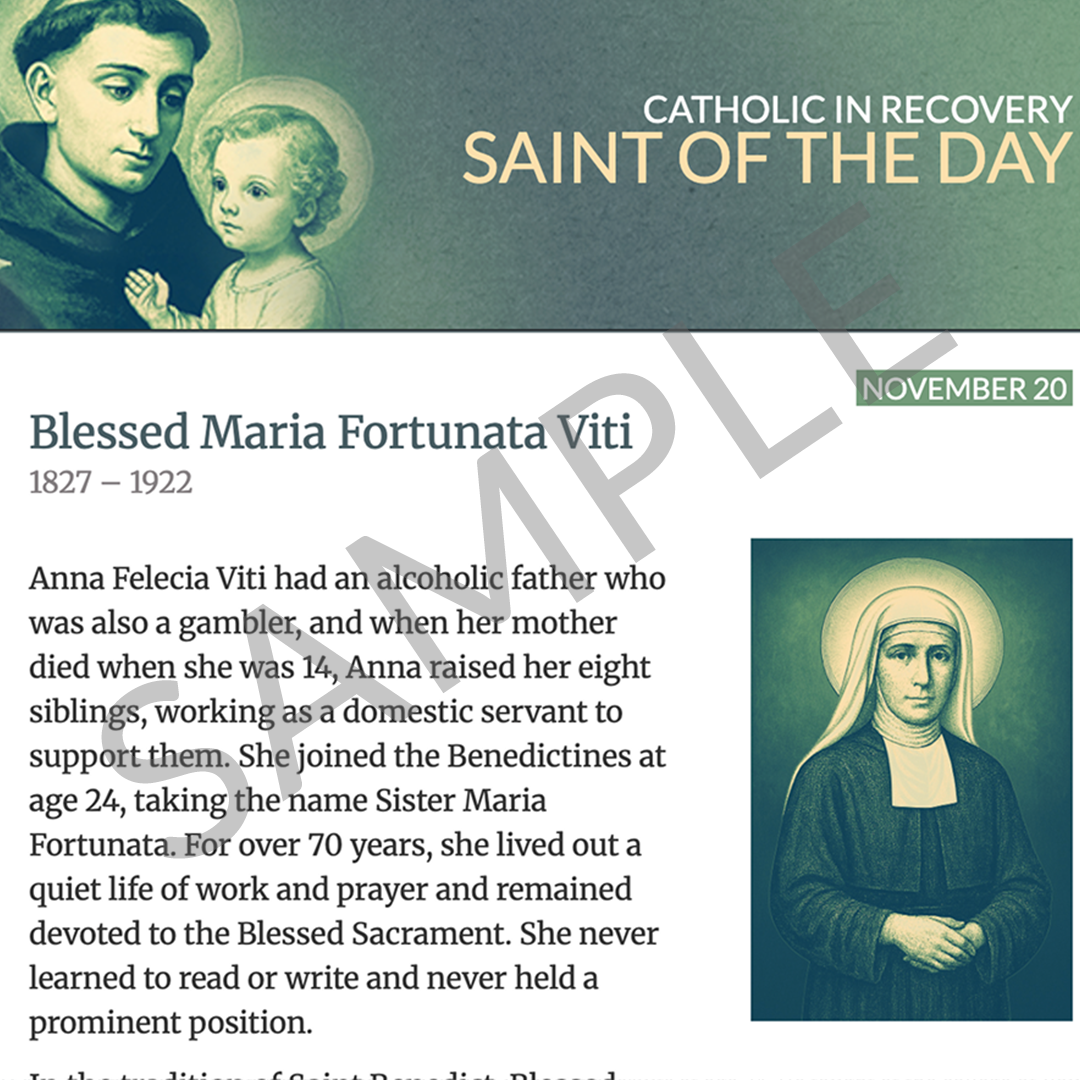
Blessed Maria Fortunata Viti
Born as Anna Felicia Viti, she had an alcoholic, gambling father. She raised her eight siblings after both of her parents died. At 24, she joined the Benedictines and took the name Sister Maria Fortunata, living with the order for over seventy years. She had a deep devotion to the Blessed Sacrament.
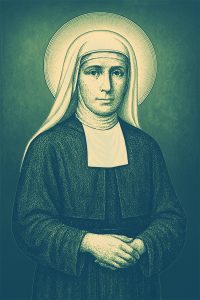
Saint Rita of Cascia
She is patron of abuse victims, difficult marriages, and impossible causes. Rita wanted to be a nun but was forced to marry a harsh, cruel man. She was a good wife and mother, and after her husband was killed in a brawl and her two boys died, she became an Augustinian nun. Rita bore a deep wound on the forehead that many associated with the crown of thorns.
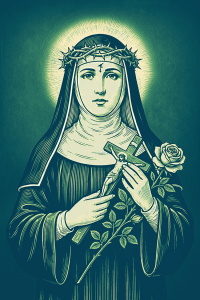
Saint Virginia Centurione Bracelli
Virginia was in an arranged marriage to a drinker and gambler before being widowed with two children. She dedicated her life to caring for children, the sick, and the aged. She was a peacemaker to nobles, the Church, and the local government.